




Table Of Content
That statement is accurate and reflects a significant economic challenge for Pakistan.
In the wake of the catastrophic 2022 monsoon floods, Pakistan’s Finance Minister, along with other government officials and international financial institutions, has consistently stated that the country’s Gross Domestic Product (GDP) has taken a severe hit.
Here’s a breakdown of the impact and the context:
The Scale of the Economic Damage
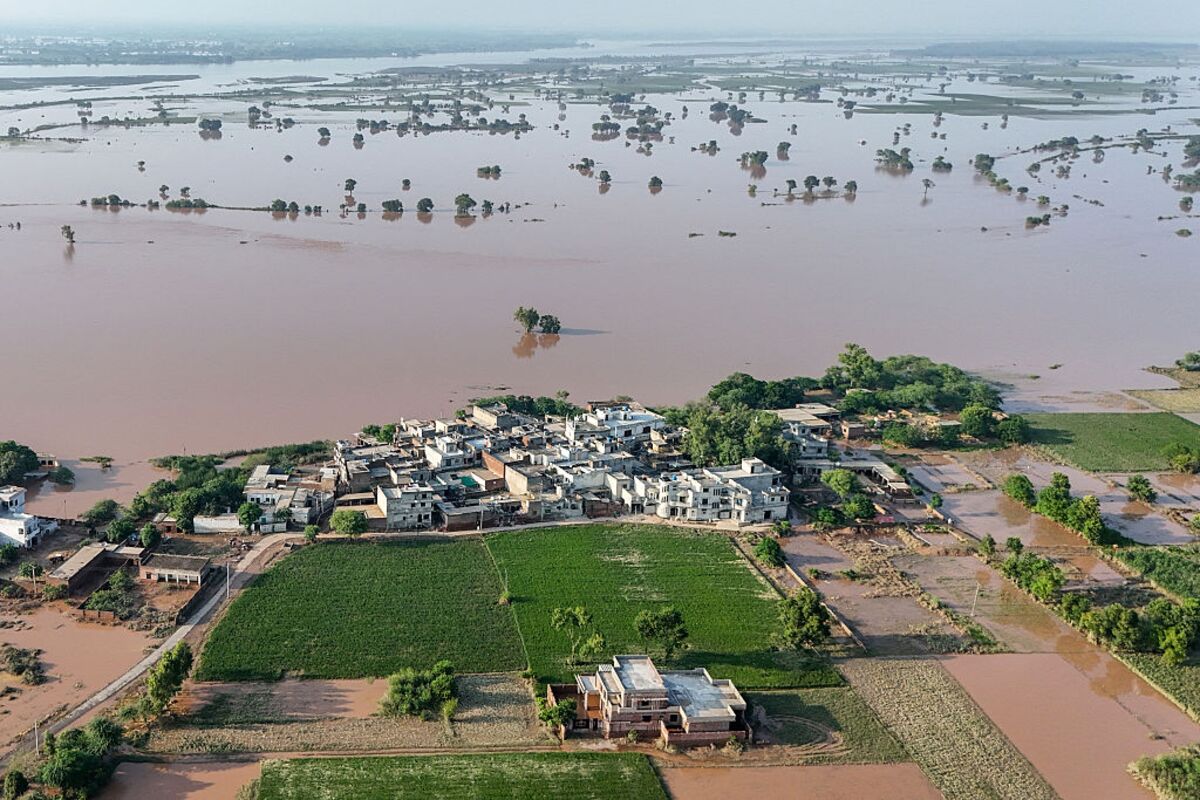
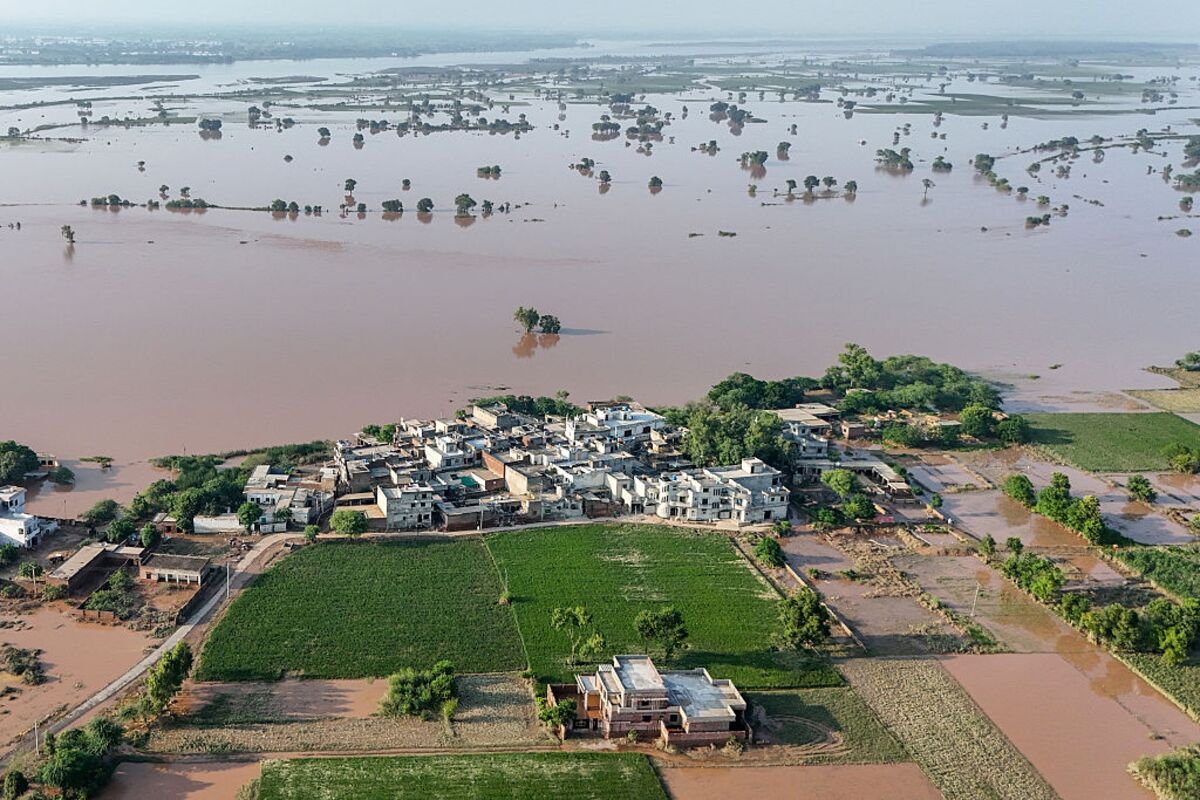
The floods, which submerged a third of the country, caused damage and losses estimated by the World Bank and Pakistan’s government to be over USD $30 billion. The hit to GDP is multi-faceted:
Direct Contraction in Growth: The government and the World Bank significantly revised Pakistan’s GDP growth forecast for FY2022-23 downward. Pre-flood estimates were around 5%, but post-flood projections fell to around 2% or lower. Some assessments suggested the floods alone wiped off over 2.6 percentage points of GDP growth.
Key Sector Devastation:
Agriculture: This sector, which contributes about 23% to GDP and employs nearly 40% of the workforce, was crippled. Millions of acres of crops (cotton, rice, sugarcane, vegetables) were destroyed, and over 1 million livestock died. This caused a direct hit to output, exports, and rural incomes, and fueled food inflation.
Industry & Exports: Damage to infrastructure (roads, bridges) disrupted supply chains and manufacturing. Key export industries like textiles suffered due to damaged cotton crops and factory disruptions.
Services: Widespread displacement and loss of purchasing power severely impacted the services sector.
Fiscal Strain: The government was forced to redirect substantial funds towards emergency relief, rehabilitation, and cash transfers (the Benazir Income Support Programme was massively scaled up). This widened the fiscal deficit and diverted resources from development spending.
Inflationary Pressure: The destruction of crops and supply chains led to a sharp spike in food prices, pushing CPI inflation into the high double-digits (over 25% at its peak), eroding household purchasing power and constraining economic activity.
The Finance Minister’s Role & Messaging
The Finance Minister’s statements serve several purposes:
Acknowledging Reality: Formally recognizing the severe economic impact for domestic and international audiences.
Justifying Policy Measures: Explaining the context for difficult economic decisions, such as seeking a IMF bailout, tightening monetary policy, or cutting non-essential spending.
Mobilizing International Aid: Highlighting the massive financial need to support reconstruction efforts, most notably at the International Conference on Climate Resilient Pakistan in Geneva in January 2023, where donors pledged over $9 billion.
Long-Term Challenges
The “hit” is not just a one-year event. The floods exacerbated Pakistan’s pre-existing economic vulnerabilities:
Deepening Debt Distress: Recovery needs have increased the country’s reliance on external borrowing.
Balance of Payments Pressure: Lower exports and higher import needs (e.g., for food) worsened the current account deficit.
Climate Vulnerability: The event underscored Pakistan’s acute vulnerability to climate change, which threatens long-term economic stability and requires massive investment in climate-resilient infrastructure.
In summary, when Pakistan’s Finance Minister says “GDP takes a hit from deadly floods,” it is a statement of profound economic consequence. It refers to a multi-billion dollar disaster that slashed growth, fueled inflation, devastated critical sectors, and set back the country’s development trajectory, all while straining its public finances during an already precarious economic period.