




Table Of Content
This is a significant statement that reflects the current delicate balancing act for the European Central Bank (ECB).
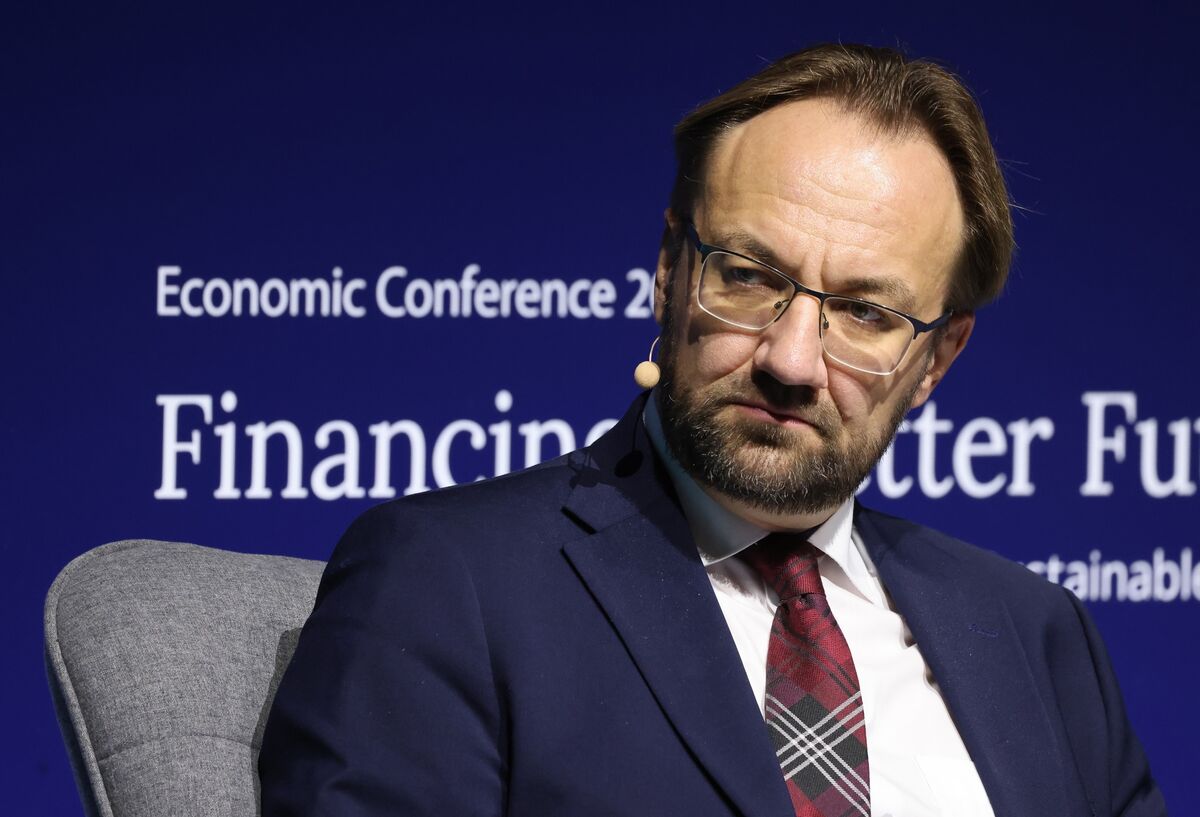
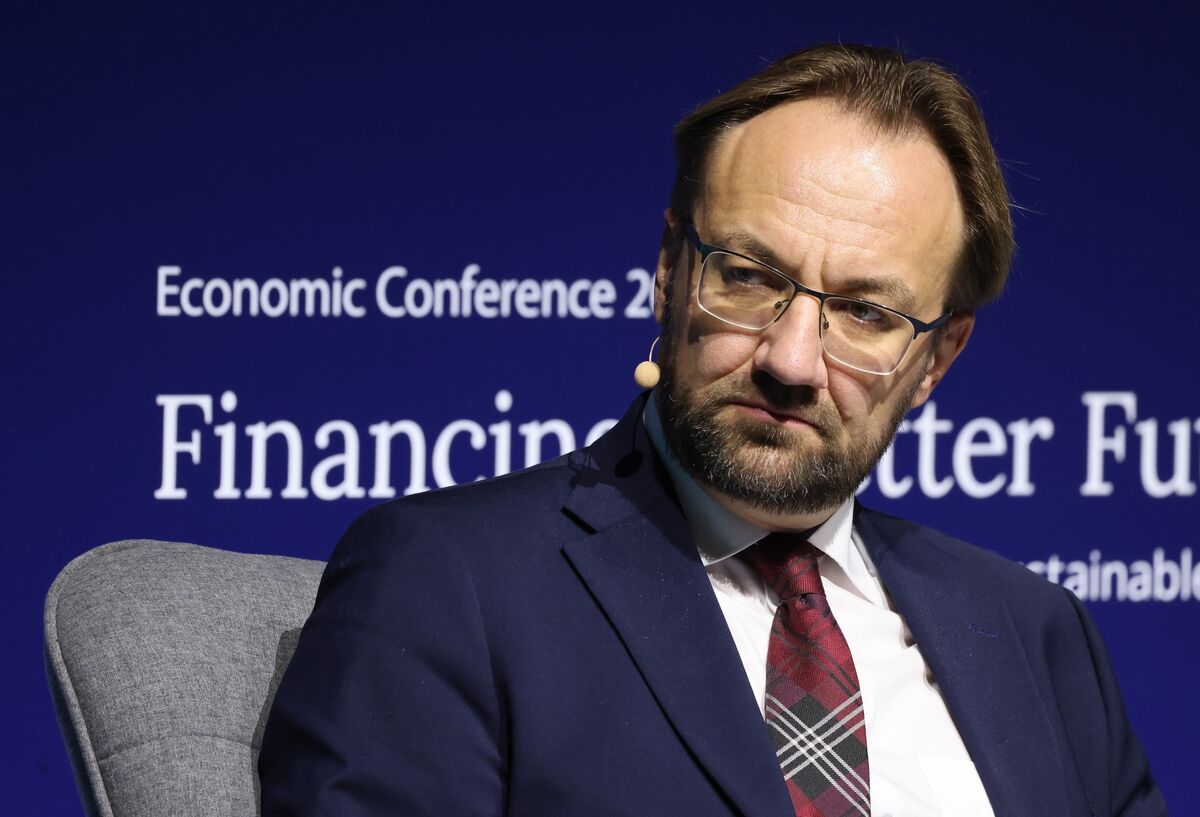
Here’s a breakdown of what ECB Governing Council member Gediminas Šimkus (head of Lithuania’s central bank) is signaling, and its implications.
Key Takeaways from the Statement
Primary Stance: A Pause, Not a Pivot. The ECB is in a “wait-and-see” mode after initiating its first rate cut in June 2024. The baseline is to hold rates steady at the upcoming meetings to assess the impact of that initial cut and incoming data.
The “Downside Risks” Caveat: Šimkus is highlighting that the economic outlook is not certain. The “downside risks” he refers to likely include:
Weaker-than-expected economic growth in the Eurozone.
A faster slowdown in inflation than currently projected.
Deterioration in the global economic environment or specific geopolitical shocks.
Keeping Options Open: By stating another cut is “in play,” he is pushing back against any narrative that the easing cycle is necessarily on a prolonged pause. It reinforces that the ECB remains data-dependent and will act if conditions warrant.
A Dovish Signal within a Cautious Framework: This is a dovish remark from a centrist policymaker. It serves to remind markets that while the immediate next move might be to hold, the bias is still tilted toward further easing, not hiking.
Context & Likely Debate Within the ECB
Šimkus’s comment captures the core debate at the ECB:
The Hawks: Argue for patience, emphasizing persistent domestic inflation, strong wage growth, and the risk of cutting too fast and letting inflation rebound. They would prefer a longer pause.
The Doves: Are concerned about weak demand, the risk of overtightening, and want to provide more support to the economy sooner. They are advocating for a clearer path to further cuts.
Šimkus’s Position: He appears to be aligning with the cautious doves—supporting the recent cut and signaling openness to more, but insisting on a meeting-by-meeting analysis rather than committing to a pre-set path.
Market & Economic Implications
For Interest Rate Expectations: This keeps market pricing for a second rate cut in 2024 alive, most likely in September or October, but far from guaranteed.
For the Euro (EUR): Such comments are typically a mild negative for the currency, as they suggest lower relative interest rates compared to other central banks (like the Fed, which is also in a holding pattern but facing stickier inflation).
For Borrowers & Governments: It reinforces that the era of rapid rate hikes is over and that financing conditions should gradually ease, albeit slowly.
In Summary
ECB’s Šimkus is stating that while the immediate plan is to pause, the door remains firmly open for another rate cut in 2024 if economic data weakens. It’s a message of continued flexibility and a warning against assuming the inflation fight is fully won.
The Governing Council’s decision will hinge entirely on the next rounds of data on inflation (particularly services inflation and wage growth), GDP figures, and business surveys.