




Table Of Content
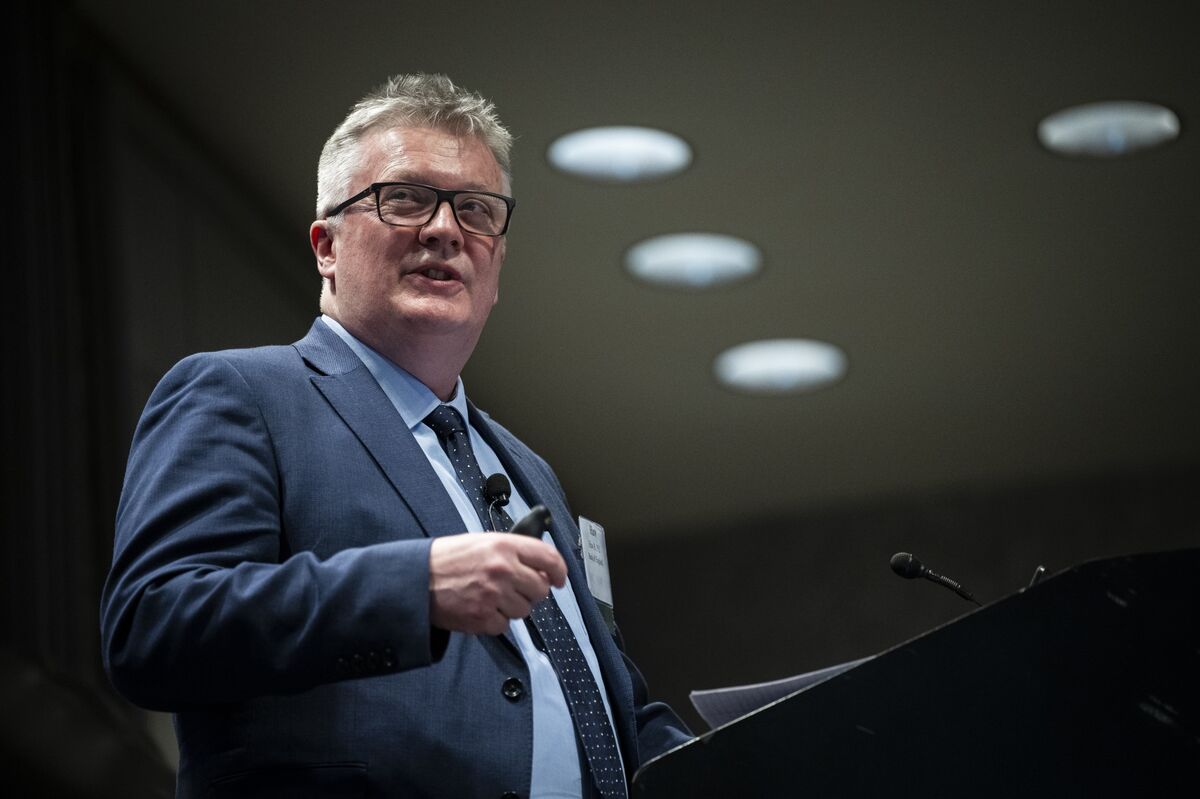
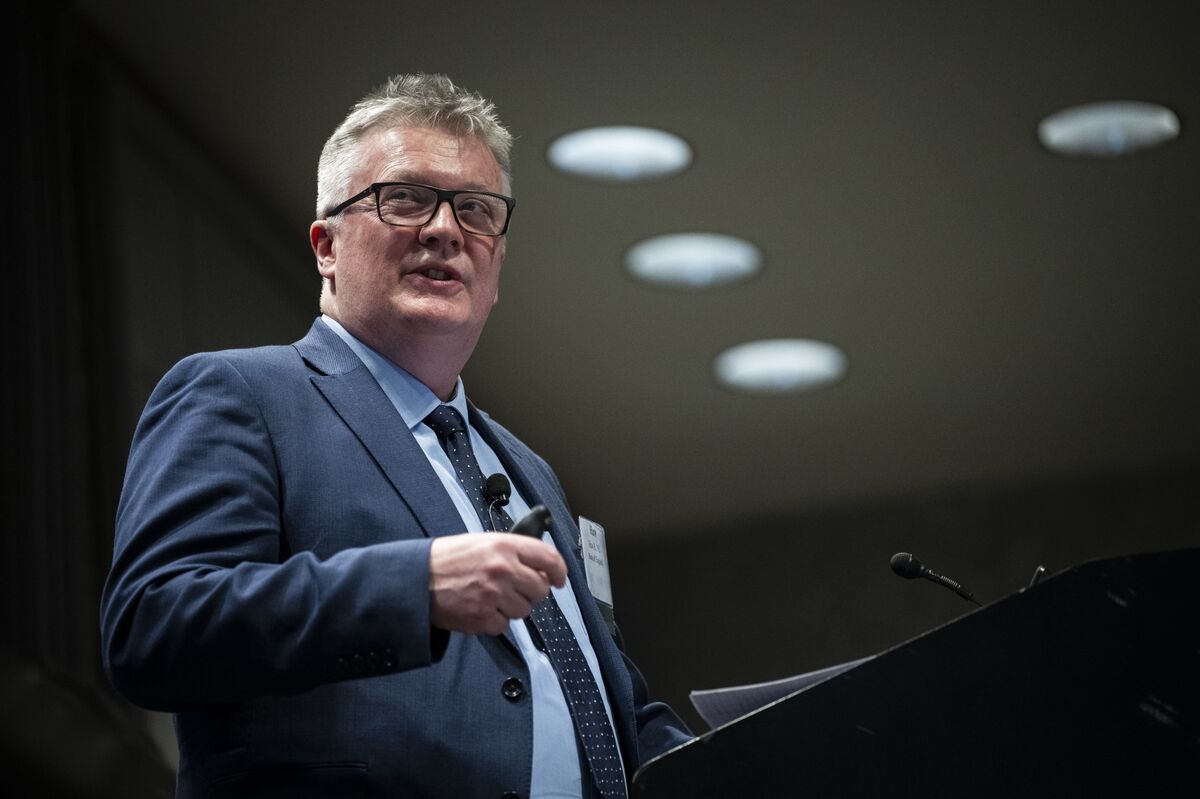
This is a significant statement that highlights a key current debate in global monetary policy. The headline refers to comments from the Bank of England’s (BoE) Chief Economist, Huw Pill, who has recently argued that the pace of future interest rate cuts should be gradual and slower than the pace at which rates were increased.
Here’s a breakdown of what this means and why it’s important:
The Core Argument
Huw Pill has used the analogy of a “Table Mountain” rather than a “Matterhorn” to describe the ideal path for interest rates.
Matterhorn: Represents the rapid, steep hikes we saw in 2022-2023 to combat surging inflation (a sharp peak).
Table Mountain: Represents his preferred outlook—rates should plateau at a restrictive level for a sustained period and then descend slowly and steadily (a long, flat top followed by a gentle slope down).
He argues that moving too quickly to cut rates risks:
Letting inflation become entrenched: Premature easing could allow inflation to flare up again, requiring another painful round of tightening.
Undermining credibility: The BoE must be certain inflation is sustainably returning to its 2% target before acting. Cutting too fast could damage hard-won public trust.
Context: UK vs. Other Major Economies
This “go-slow” stance is particularly notable because:
UK Inflation is Stickier: While falling, UK inflation (particularly in services and wage growth) has proven more persistent than in the US or Eurozone. The BoE is therefore more cautious.
Diverging Central Bank Paths: The European Central Bank (ECB) has begun cutting, and the US Federal Reserve is signaling cuts are coming. Pill’s comments suggest the BoE may cut later and more slowly than its peers, which could have implications for currency markets and capital flows.
Key Data Points the BoE is Watching
Pill and the Monetary Policy Committee (MPC) are focused on:
Services Inflation: A key indicator of domestic, persistent price pressures.
Wage Growth: Running near 6%, which is too high for 2% inflation unless productivity improves dramatically.
The Labor Market: Signs of cooling, but still tight.
Market and Economic Implications
For Borrowers and Mortgages: A slower cutting cycle means relief on mortgage rates and loan costs will come more gradually than some hope.
For the Pound: A more hawkish BoE relative to the Fed or ECB could provide support for the British Pound (GBP).
For the Economy: It balances the risk of stifling economic growth for too long against the risk of letting inflation rebound.
Bottom Line
The Bank of England’s Chief Economist is urging patience and data-dependence. While acknowledging the next move is likely a cut, he is pushing back against market expectations for a rapid or deep series of cuts in 2024/2025. His stance is a reminder that the “last mile” of getting inflation fully back to target may be the most difficult, requiring rates to stay “higher for longer” even after the peak.